
Clean-to-Store
Cleaned, inspected, and stored empty cars ready for their next load. We coordinate cleaning and storage in one cycle so cars don't sit idle waiting for a second service provider.
CRMS Services
Access to 400+ rail storage sites nationwide. Clean-to-store, loaded car storage, short term, long term. We handle switching, staging, and coordination with Class I railroads so your fleet stays where you need it.
Storage Made Simple
Storage costs add up fast when you're paying demurrage on loaded cars or carrying idle capacity you don't need year round. CRMS gives you access to 400+ rail storage sites across the U.S., so you can stage cars where your freight actually moves, not where a single storage yard happens to have space. Whether you need to park 10 cars for a month or 500 for a year, we build the storage solution around your operation.
We handle the logistics. Switching, staging, Class I coordination, inspection, and clean-to-store preparation. Your fleet stays accessible, compliant, and ready to move when you need it. No multi-year commitments. No wasted capacity. Just flexible storage that works the way your business actually operates.
Storage & Handling Services
Cleaned, inspected, and stored empty cars ready for their next load. We coordinate cleaning and storage in one cycle so cars don't sit idle waiting for a second service provider.
Secure storage for loaded cars in transit or awaiting delivery. Useful when receiver facilities are at capacity, when staging inventory for just-in-time logistics, or when managing pipeline outages.
Days, weeks, months, or years. No rigid minimum commitments. Pay for the time you actually use, scale up or down as your operation changes, and move cars out whenever you're ready.
Storage for cars carrying regulated hazardous materials. Our HAZMAT rated facilities meet FRA requirements for loaded tank car storage, inspection intervals, and emergency response protocols.
Temperature controlled storage, covered storage, and secured storage for high value commodities. Available at select locations for customers with specialized fleet requirements.
We coordinate switching with Class I railroads, position cars for pickup or delivery, and stage fleets for efficient loading operations. Cars get moved when and where you need them without you managing railroad relationships.
Strategic positioning to minimize freight miles and deadhead moves. Plus routine inspection while in storage to catch maintenance issues before cars return to service.
Why CRMS
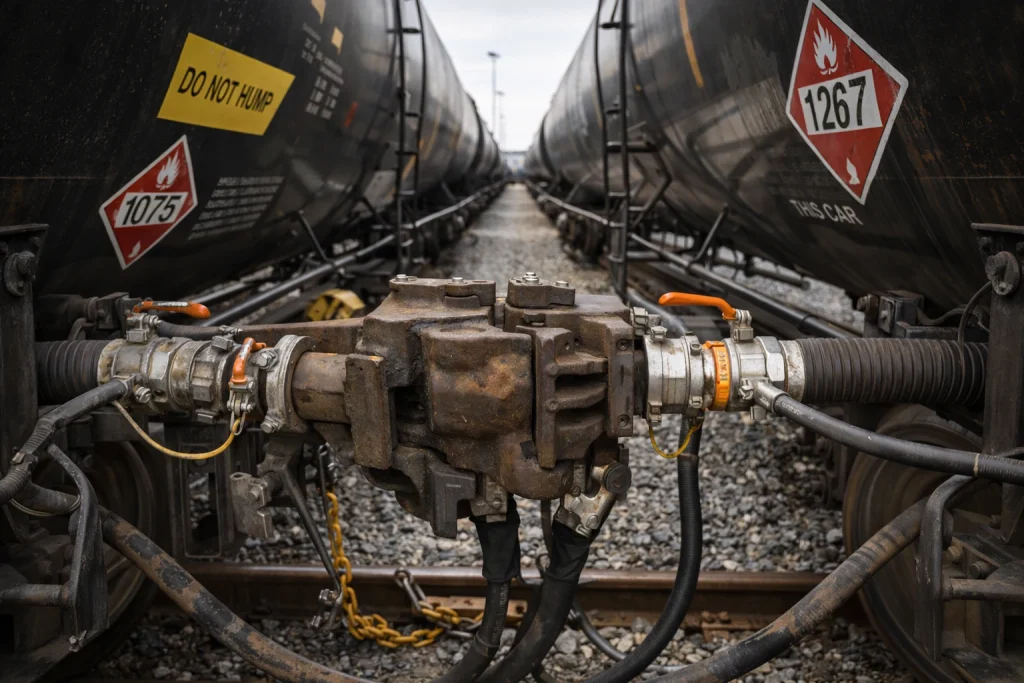
Your cars don't have to travel hundreds of miles off corridor just to find storage space. We position fleets where freight actually moves, reducing deadhead miles, repositioning costs, and wasted transit time.
Per car per day, monthly, project based, or custom terms. We structure railcar storage rates around your actual needs, not around a one-size-fits-all contract. Scale up during peak season, scale down when you don't need the capacity.
Clean cars before storage, inspect them while stored, perform minor maintenance onsite. One partner, one invoice, no coordination headaches between multiple vendors.
We manage switching, scheduling, and communication with BNSF, UP, CSX, NS, and other Class I carriers. Your cars get delivered, positioned, and picked up on time without you navigating railroad bureaucracy.
All storage sites meet FRA standards for track conditions, inspection intervals, and hazmat storage where applicable. Cars remain accessible for inspection, sampling, or emergency retrieval when needed.
Since 2001, CRMS has been positioning fleets across the country. We know which storage yards work for which commodities, which locations minimize demurrage risk, and how to keep your operation moving without unnecessary storage costs.
Demurrage typically costs $50 to $100+ per car per day once free time expires. Railcar storage rates are generally lower, often $10 to $30 per car per day depending on location and duration. Storage makes financial sense when: (1) Your receiver or loading facility is at capacity and can't accept cars immediately. Paying storage is cheaper than accruing demurrage while cars sit on railroad property. (2) You're managing seasonal demand and don't need full fleet capacity year round. Storing idle cars costs less than leasing or owning capacity you're not using. (3) You're staging inventory for just-in-time logistics. Storage lets you position cars near demand without committing to immediate delivery. (4) You're dealing with a pipeline or production outage and need to park loaded cars temporarily. Storage prevents demurrage from piling up while you wait for operations to resume. The financial tipping point is usually around 3 to 5 days. If demurrage is accruing and the delay looks longer than a few days, moving cars to storage almost always saves money.
Transloading storage is short term (days to weeks) and designed for high turnover. Cars arrive loaded, get unloaded via transloading operations, and either leave empty or get reloaded quickly. The storage component is incidental to the transloading work, so rates are typically bundled with transloading fees. Location matters a lot here because you need rail access, truck access, and material handling equipment all in one place. Long term fleet parking is weeks to months (or longer) and designed for low turnover. Cars are parked clean and empty, or loaded and waiting. There's no active handling, just secure storage and occasional inspection. Rates are usually lower per car per day because the cars aren't cycling through active operations. Location matters less as long as the site has Class I access and meets FRA track standards. Logistics impact: Transloading storage requires coordination with trucking schedules and material handling crews. Long term fleet parking requires coordination with Class I railroads for switching and positioning, but otherwise cars sit idle. If you're storing cars temporarily while managing a supply chain bottleneck, transloading storage is the right model. If you're parking excess capacity or staging cars for future use, long term fleet parking is more cost effective.
FRA regulations (49 CFR Part 174) require that loaded tank cars in storage meet specific safety and inspection standards. Key requirements include: (1) Track Standards: Storage tracks must meet FRA Class 1 track safety standards at minimum. This includes proper ballast, tie condition, rail alignment, and drainage. (2) Inspection Intervals: Loaded tank cars must be inspected at regular intervals depending on commodity and car condition. HAZMAT loaded cars require more frequent inspection than non-hazmat loads. (3) Securement: Cars must be properly secured to prevent unintended movement. Hand brakes, wheel chocks, or derails are required depending on track grade and car weight. (4) Emergency Access: Storage facilities must have documented emergency response plans and provide access for first responders in case of leak, spill, or fire. (5) Placarding and Documentation: Loaded cars must remain properly placarded with commodity information, and storage operators must maintain accurate records of what's stored where. CRMS ensures compliance by: Using only storage sites that meet or exceed FRA track standards. Conducting routine inspections according to FRA schedules and documenting results. Coordinating with Class I railroads on securement and emergency response protocols. Maintaining full visibility into what commodities are in storage and where they're located. If you're storing HAZMAT loaded cars, we route them to facilities specifically rated and certified for hazardous material storage.
Railcar storage rates are typically structured as: Per car per day (most common for short term storage). Per car per month (common for long term storage, often with volume discounts). Project based flat fees (for large fleet staging or seasonal operations). Variables that affect pricing: (1) Location: Storage near major freight hubs or Class I interchanges costs more than remote rural storage. Proximity to your actual shipping lanes reduces repositioning costs but may increase storage rates. (2) Duration: Longer storage commitments usually get lower daily or monthly rates. Short term emergency storage carries premium pricing. (3) Car Type: Tank cars (especially pressure or specialty lined cars) cost more to store than general freight cars due to inspection requirements and liability. HAZMAT loaded cars cost significantly more than empty or non-hazmat loaded cars. (4) Volume: Storing 10 cars costs more per unit than storing 100 cars. Most facilities offer tiered pricing for larger fleets. (5) Services Bundled: If you're combining storage with cleaning, inspection, or maintenance, the bundled rate is usually lower than buying services separately. (6) Loaded vs. Empty: Loaded car storage costs more due to inspection requirements, insurance, and liability. Clean-to-store (empty cleaned cars) is the most cost effective option. CRMS provides transparent pricing based on your specific situation. Tell us what you're storing, where, and for how long, and we'll quote real numbers with no hidden fees.
Loaded HAZMAT tank cars require storage at FRA-compliant facilities with proper track standards, regular inspection schedules, and documented emergency response plans. Cars must remain properly placarded and secured to prevent unintended movement.
CRMS routes HAZMAT loaded cars to facilities specifically rated for hazardous material storage. We maintain inspection records, coordinate with Class I railroads on securement, and provide full compliance documentation.
Professional storage providers coordinate switching, delivery scheduling, and communication with Class I carriers (BNSF, UP, CSX, NS). This includes positioning cars for pickup, managing track time, and handling railroad interface to avoid demurrage.
Without coordination, customers must manage multiple railroad relationships, switching requests, and detention negotiations themselves. Integrated logistics keeps cars moving on schedule with one point of contact.
“We had 220 loaded tank cars that needed immediate parking during a pipeline outage. CRMS found storage capacity across four locations in three states and had every car positioned within eight days. Zero demurrage. One point of contact. That kind of response saved us six figures.”
“We store our off-season fleet with CRMS every year after harvest. The clean-to-store service means cars are ready to roll when planting season starts. No scrambling to find cleaning capacity in March when every other grain shipper is doing the same thing.”
Direct Coordination
Tell us how many cars, what type, where, and for how long. We'll have storage options and pricing back to you within 24 hours.