CRMS Services

Transloading Services That Keep Your Supply Chain Moving

130+ transloading locations nationwide. Rail to truck, truck to rail, or both. Liquids, dry bulk, packaged goods. CRMS handles the transfer, coordinates the trucks, and keeps freight flowing.

  • 130+ Locations
  • All Commodity Types
  • Truck Coordination
  • Rail & Truck Access
Transfer Ops

Seamless Transfer Operations

Why Transloading Services Matter for Modern Supply Chains

Rail moves freight efficiently over long distances. Trucks deliver to the final destination. Transloading is the bridge between the two, and when it's done right, it eliminates delays, reduces handling damage, and keeps supply chains predictable. CRMS operates 130+ transloading locations across the U.S., giving you access to transfer capacity wherever your freight needs to change modes.

We handle liquids (chemicals, oils, food grade), dry bulk (grain, plastics, aggregates), and packaged goods (palletized, bagged, containerized). Rail to truck, truck to rail, or both in the same operation. We coordinate trucking if you need it, schedule appointments to avoid detention, and provide short term storage so freight doesn't bottleneck at the transfer point.

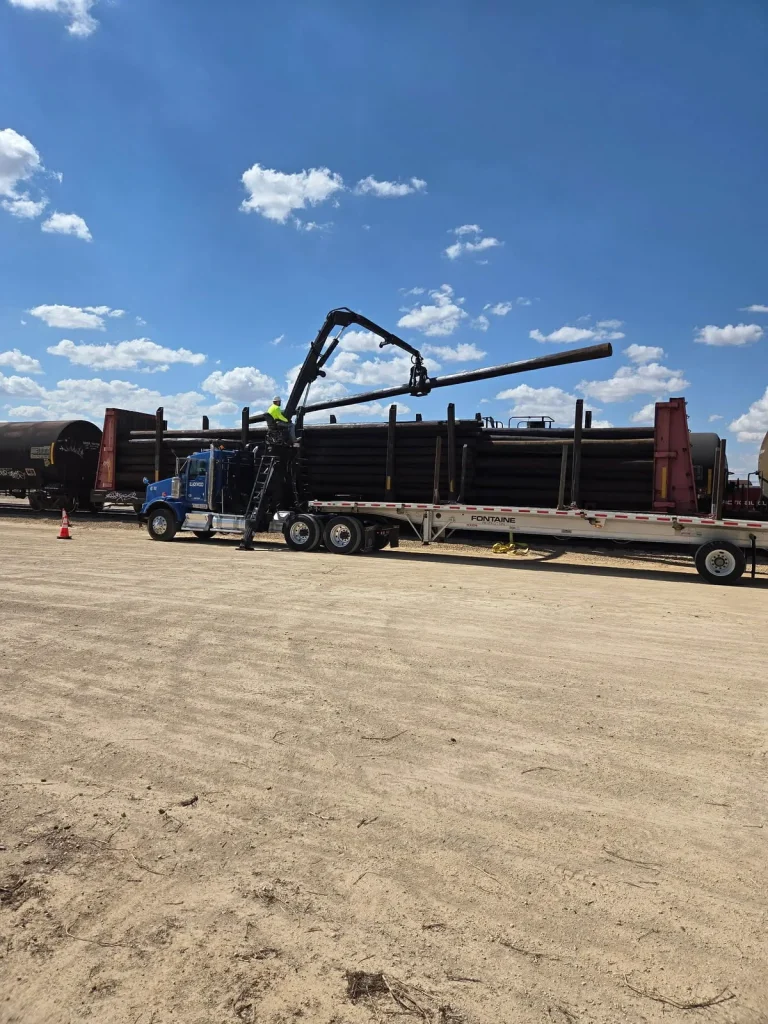
Full Spectrum Transloading

Complete Railcar Transloading and Rail to Truck Transloading Capabilities

Liquid Transloading

Chemicals, oils, food grade liquids, and specialty products. Pump systems, hoses, and manifolds designed for safe, contamination free transfer between railcars and tank trucks. Food grade systems kept separate from chemical systems.

Dry Bulk Transloading

Grain, plastics, aggregates, cement, minerals, and powdered commodities. Pneumatic conveyors, gravity unloading, and mechanical systems handle everything from fine powders to coarse aggregates without product degradation.

Packaged Goods Transloading

Palletized freight, bagged products, and containerized goods. Forklifts, loading docks, and material handling equipment move packaged freight safely between boxcars and dry van trucks.

Rail to Truck & Truck to Rail

Bidirectional operations. Unload inbound rail, load outbound trucks. Unload inbound trucks, load outbound rail. Or handle both directions simultaneously for complex distribution operations.

Multi-Commodity Operations

Handle multiple commodity types concurrently without cross contamination. Dedicated equipment and staging lanes for liquids, dry bulk, and packaged goods operating at the same facility.

Trucking Coordination

We can arrange trucking on your behalf or work with your carrier partners. Appointment scheduling, load tracking, and detention management keep trucks moving and costs predictable.

Transloading with Short Term Storage

Staging areas for freight waiting for trucks or rail capacity. Prevents bottlenecks when inbound and outbound schedules don't align perfectly. Storage integrated with transfer operations at the same location.

Why CRMS

Your Nationwide Transloading Facility Network From One of the Most Reliable Transloading Companies

Transloading operations visual

130+ Transloading Locations Nationwide

Your freight doesn't have to travel hundreds of miles to find transfer capacity. We position transloading operations near major freight lanes, reducing drayage costs and transit time.

All Commodity Types, All Equipment

Liquids, dry bulk, packaged goods. Pumps, pneumatic systems, forklifts, conveyors. Whatever your commodity requires, we have the equipment and expertise to handle it safely and efficiently.

Fast Cycle Times, Minimal Detention

Our transloading operations are designed for throughput. Trucks get loaded or unloaded quickly, railcars cycle through without sitting idle, and your supply chain stays predictable.

Full Logistics Coordination

We arrange trucking, schedule appointments, track loads, and manage the entire transfer process. You get one point of contact instead of coordinating between multiple vendors.

Rail to Truck, Truck to Rail, or Both

Bidirectional operations at the same facility. Inbound rail converts to outbound truck. Inbound truck converts to outbound rail. Or both simultaneously when distribution networks require it.

Transloading + Storage + Cleaning in One Stop

Combine transloading with railcar storage for staging inventory. Add cleaning services to prepare cars for their next load. Integrated operations eliminate vendor coordination and reduce total cycle time.

Transloading FAQs

Transloading makes economic sense when your destination lacks rail access, when you need smaller frequent deliveries instead of full railcar volumes, when serving multiple delivery points from one rail origin, or when time-sensitive delivery requires precise scheduling that railroads can't guarantee.

Direct rail costs $0.03 to $0.05 per ton-mile but requires rail infrastructure, storage for full car volumes, and flexibility around unpredictable railroad schedules. Rail-to-truck transloading costs more per ton but eliminates infrastructure requirements and provides flexible delivery timing.

Professional transloading facilities use dedicated equipment systems for food grade versus chemical versus general commodities. Food grade liquids use dedicated pumps, hoses, and manifolds that never touch chemical products. Dry bulk systems use separate pneumatic lines or conveyors.

Equipment is cleaned between loads even within the same category, staging areas are physically segregated by commodity type, and pre-transfer inspections verify trucks and railcars are clean and previously carried compatible products. Documentation proves cleaning protocols were followed.

Truck detention fees ($50 to $150 per hour after free time expires) occur when trucks wait beyond 1 to 2 hours due to unscheduled arrivals, mismatched inbound rail and outbound truck timing, or facility congestion during peak periods.

Appointment scheduling systems stagger truck arrivals throughout the day, real-time load tracking coordinates truck dispatch with railcar availability, and short-term staging storage decouples rail timing from truck timing. Facilities with appointment systems and staging capacity can reduce average detention to under 45 minutes per truck versus 2+ hours at unscheduled operations.

HAZMAT transloading requires DOT-certified personnel, facility permits for hazmat handling, equipment rated for specific hazmat classes being transferred, spill containment systems (secondary containment, spill kits), and documented emergency response plans.

Operators must be DOT HAZMAT trained (renewed every 3 years), proper placarding must be maintained during transfer, and MSDS (Material Safety Data Sheets) must be available. Shared liability between shipper, transloading operator, and carrier makes compliance verification critical before operations begin.

Yes, if the facility has dedicated equipment and proper protocols. Multi-commodity operations require separate pump systems for liquids (food grade vs chemicals), dedicated pneumatic lines for dry bulk products, and physically segregated staging lanes preventing cross-contact.

Not all transloading facilities have multi-commodity capability. Verify the facility has dedicated systems for your commodity type, documented cleaning protocols between loads, and experience with your specific products. CRMS operates facilities with dedicated equipment systems and segregated staging for concurrent multi-commodity operations.

Transloading providers either arrange trucking on your behalf or work with your carrier partners. Full-service coordination includes truck scheduling, appointment management, load tracking, and detention monitoring to keep costs predictable.

When providers coordinate trucking, you get one point of contact instead of managing separate relationships with transloaders and trucking companies. Providers with trucking coordination capabilities reduce scheduling conflicts, prevent detention overages, and consolidate invoicing. CRMS coordinates trucking and appointments across 130+ transloading locations nationwide.

What Our Customers Say

“We were bottlenecked trying to manage three commodity streams at once. Liquid, dry bulk, and packaged freight were creating sequential delays. CRMS redesigned the workflow for concurrent operations and cut our cycle times by 30%. That kind of operational improvement goes straight to the bottom line.”
— Operations Manager, Southwest Distribution Hub
“CRMS coordinated the trucking, scheduled the appointments, and kept detention under 45 minutes per truck. Before working with them, we were burning $20,000 a month in detention fees. Now it's under $5,000. The savings paid for the transloading service.”
— Logistics Director, Regional Chemical Distributor

Direct Coordination

Need Transloading? Let's Build the Right Solution.

Tell us your commodity, volume, origin, and destination. We'll have transloading options and pricing back to you within 24 hours.

CRMS Basic Quote Form