
trade policy changes and tariffs
is creating significant waves, directly influencing import volumes—and in turn, the pressures on our freight rail network. For businesses across the country, the race is on to navigate these tariff-induced changes, with many scrambling to bring in goods before new import duties hit. Let’s dive deeper into thetariff timeline
and explore how these shifts are reshaping the U.S. freight rail industry.The Tariff Timeline: A Flurry of Activity
In recent months, a whirlwind of trade policy updates has rattled the supply chain, with some of the most impactful changes involving goods from China. These changes not only affect pricing but also alter the entire flow of goods, placing new demands on the U.S. freight rail system:
- Elimination of De Minimis for China & Hong Kong: Starting May 2, 2025, U.S. Customs and Border Protection (CBP) began enforcing the end of the
de minimis exemption
for goods valued under $800. While small businesses and e-commerce players are feeling the brunt of this, it’s having a direct impact on how freight moves. UPS Supply Chain Solutions outlined this shift in their April 2025 briefing. - Temporary Tariff Reduction & August Deadline: On May 12, 2025, the U.S. made a move to temporarily reduce tariffs on Chinese goods from as high as 145% to a more manageable 30% for 90 days, effective until August 14, 2025. This reprieve is critical for importers seeking to make final purchases before tariffs go back up. Freightos reported that this has resulted in a rush to ship goods before the deadline.
- USTR Section 301 Investigation & Maritime Impact: As of April 18, 2025, the U.S. Trade Representative concluded its Section 301 investigation, proposing new tariffs on Chinese-operated vessels and cargo-handling equipment. These decisions, expected to impact shipping and logistics, will be implemented in phases through late 2025. Hogan Lovells Analysis provided a detailed breakdown.
The “Pull-Forward” Phenomenon: A Race Against the Clock
In the face of shifting tariffs, U.S. importers have responded by accelerating shipments to avoid the impending costs. This has led to a significant increase in import volumes—particularly in April 2025. In fact, U.S. container import volumes surged to 2,410,371 TEUs in April, marking a 9.1% increase over April 2024. Imports from China alone rose 6.2%, driven by front-loaded shipments in anticipation of tariff hikes.
A recent survey by Freightos revealed that 42% of U.S. importers felt the tariff disruption was a “perfect 10” on a scale of 1-10. Nearly half of them were accelerating shipments, fast-tracking inventory to prepare for a potential tariff increase. This “pull-forward” effect, with businesses rushing to import goods before the deadline, is putting additional strain on the logistics network—especially rail transport.
Small Business Impact According to a mid-May survey, over 80% of small to medium U.S. importers were as worried or more so than they were in April, despite the temporary tariff reduction. Freightos highlighted how this dynamic is shaping theU.S. freight rail landscape
, with importers opting to push shipments earlier than usual.Rail’s Role in the Tariff Turmoil
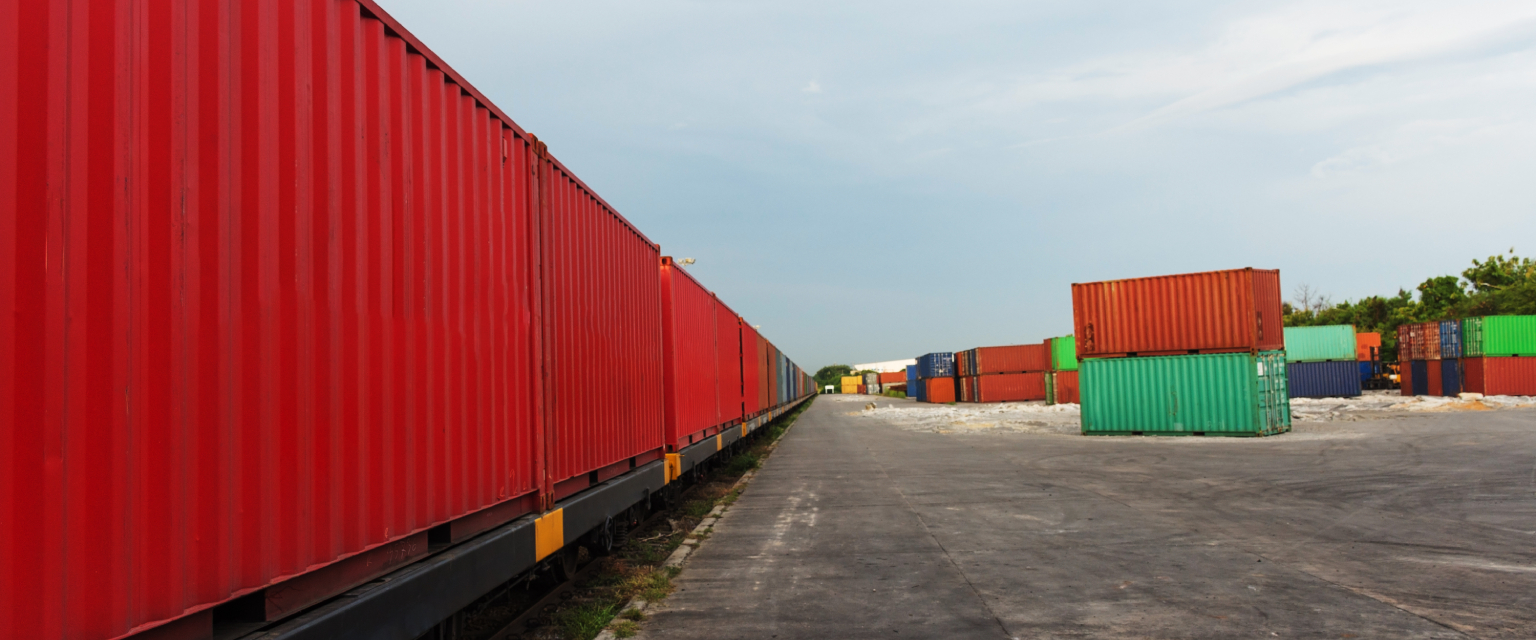
As imports flood U.S. ports, rail is playing an increasingly critical role in moving these goods inland. Withintermodal demand
on the rise, railroads are seeing higher volumes of containers arriving at intermodal terminals. However, this surge has its own set of challenges:- Increased Intermodal Demand: As businesses rush to clear their shelves and bring goods inland before tariff deadlines, intermodal rail becomes the lifeline for moving large volumes of containers swiftly to distribution centers.
- Network Strain: The sudden spike in demand is placing a strain on the rail network. Railroads must ensure enough locomotives and equipment are available to handle the influx, all while balancing the flow at intermodal terminals, which are already working at full capacity.
- Shifting Cargo Mix: Depending on which goods face the highest tariffs, railroads could see shifts in the types of products being transported. This makes long-term planning a bit of a challenge, with logistics professionals having to adapt to new patterns in freight movement.
Expert Voices & Looking Ahead: Uncertainty Prevails
Lars Karlsson, Global Head of Trade and Customs Consulting at Maersk, put it best: "Trade, like water, will find a way. It is better to be ready now and not to wait for solutions that will come later." Maersk emphasizes the importance of staying agile in the face of uncertainty.
As tariffs continue to affect global supply chains, The Budget Lab at Yale projected that 2025 tariffs could result in a 0.6% increase in the price level and a potential 0.2% decrease in U.S. GDP growth. The Budget Lab offers a thorough review of the economic consequences of these trade policies.
As we approach the August deadline for tariff reductions, the question remains: Will the U.S. freight rail industry continue to see high volumes after the reprieve ends, or will the tariff changes result in a slowdown in imports and rail traffic?
For now, businesses must remain nimble, ready to adjust their supply chains to shifting tariff conditions. The freight rail industry will continue to be the backbone of U.S. trade as companies and railroads adapt to the changing landscape.